
A painting can take shape before the artist knows where it is going. Allan Wesaquate works this way, following feeling through vivid color, layered forms, and the movement of acrylic paint. His compositions shift between restless passages and quieter moments, giving form to emotions that may be difficult to describe. Personal experience guides his work, but it does not determine what others will see in it. Viewers are free to make their own connections with the colors and rhythms on the surface. Wesaquate also works with photography and installation, exploring how an image can hold an experience and change in meaning over time. One photograph, made in 1994 and retouched in 2010, shows his willingness to return to an earlier work with a new perspective.
Returning to a Photograph
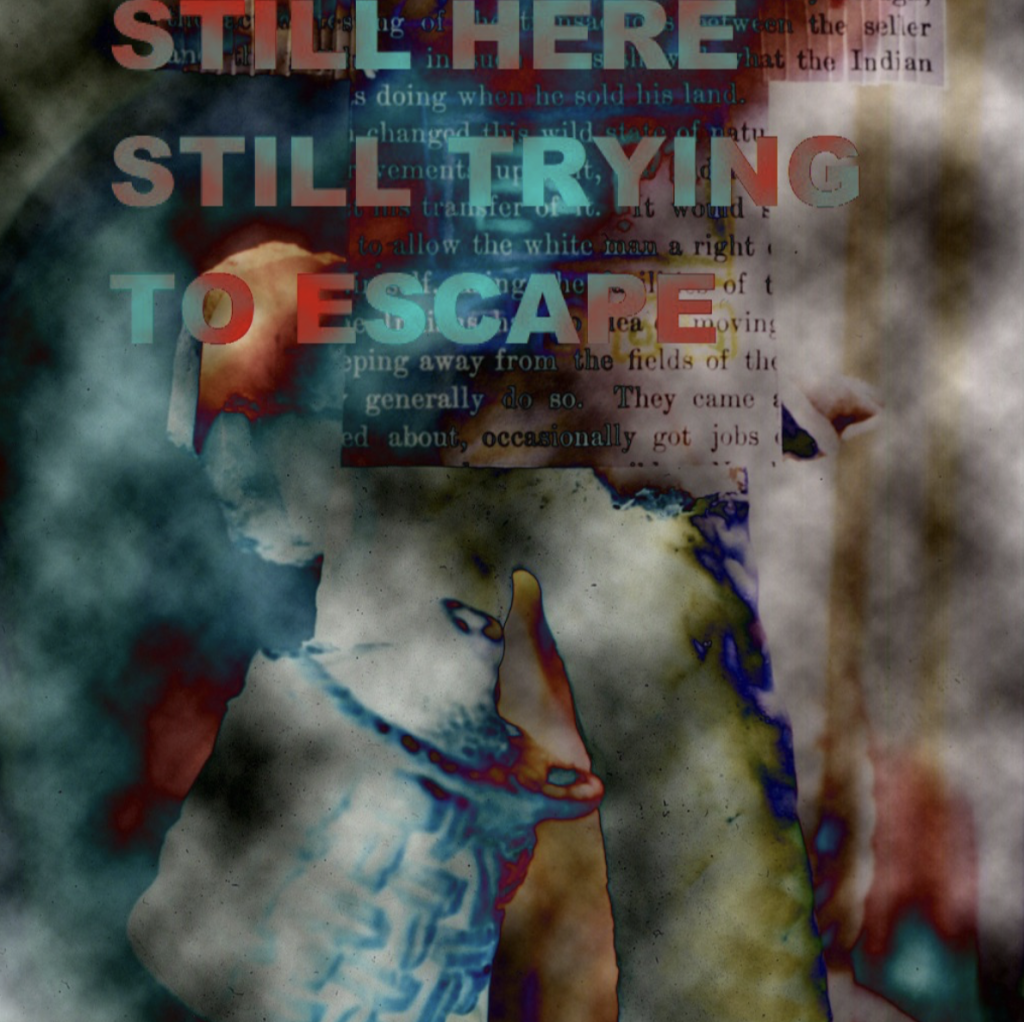
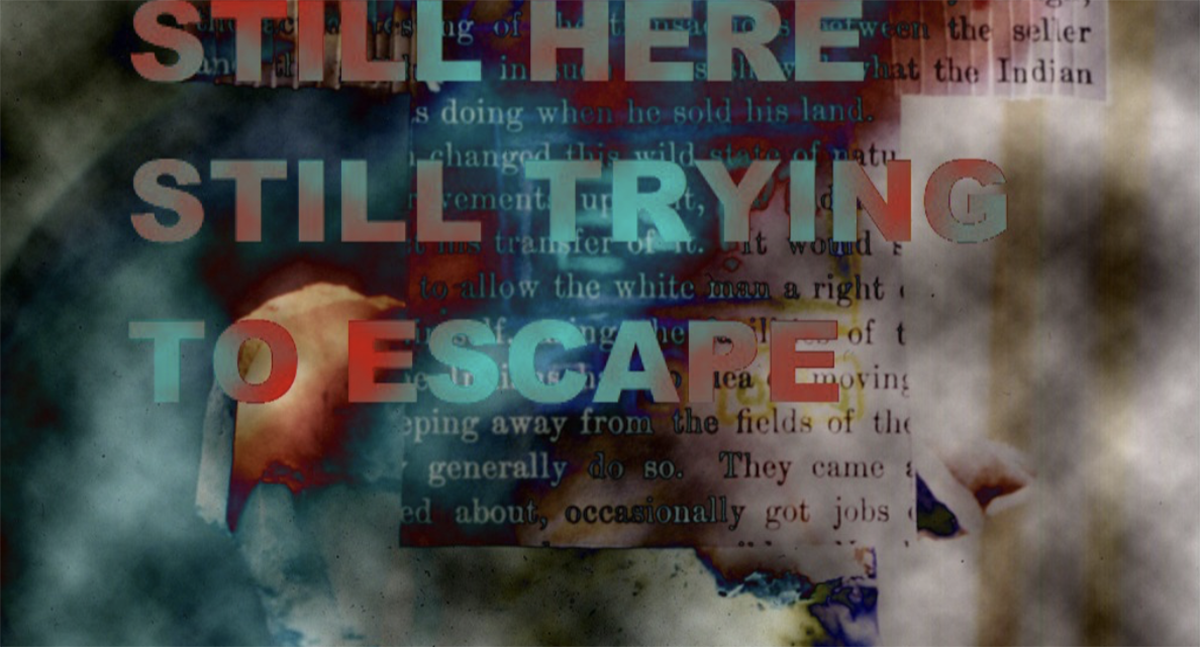
Allan Wesaquate first made this image in 1994. Sixteen years later, he returned to the photograph and retouched it using a GIMP filter. The distance between those two dates is central to the work’s story. The original photograph belongs to one point in his life; the later edit records a decision to engage with it again. What began as an image made in 1994 became a work shaped by both its first creation and its subsequent revision.
Returning to an older photograph can be an act of discovery. Time changes what an artist notices, even when the image itself has remained in their possession. A detail that once seemed incidental may draw attention years later. An image can also bring back questions the artist did not know how to approach when it was first made. Wesaquate’s decision to retouch this photograph suggests an interest in what could happen when the earlier work met the tools and perspective available to him in 2010.
The digital edit matters because it makes the photograph’s history part of the work. A filter can alter how an image is seen, giving the artist another way to respond to material that already exists. In this case, the retouching adds a second creative moment to the first. The photograph is both a record of what Wesaquate made in 1994 and evidence of what he chose to do with it later. Neither date can fully describe the work on its own.
This process connects with Wesaquate’s wider interest in allowing an image to change. In painting, he works with color and movement without requiring a fixed outcome from the start. With this photograph, the process unfolded across years rather than during a single session. The artist made the image, lived beyond that moment, and then chose to revisit it. The gap becomes part of how the work can be understood, even though viewers need not know everything that happened during those sixteen years.
The image was exhibited at the University of Tehran in Iran in 2020, in an exhibition curated by Sephideh Mehragan. That presentation placed the work before viewers more than two decades after its original creation and a decade after its retouching. By then, it had passed through several stages: the making of the photograph, the digital revision, and its presentation in an exhibition. Each stage brought the image into a different setting, where it could be encountered through another person’s experience.
There is value in leaving the image’s subject open when discussing this history. Without a description from the artist, its visible details should not be guessed at or made to carry a story they may not support. What is known already gives the work a compelling shape: Wesaquate made it in 1994, altered it in 2010, and exhibited it in Tehran in 2020. Those facts invite questions about how artists live with their earlier work. When does an image feel finished? What prompts someone to open an old photograph again? How does revisiting it change their relationship to the moment in which it was made?
Wesaquate’s choice to return to the photograph treats an earlier work as something still open to attention. Retouching it did not erase its beginning. Instead, the 2010 intervention became another part of its history. The exhibition then gave viewers a chance to meet the image after both moments of making had taken place.
The work reminds us that an image does not have to remain tied to the year it was created. An artist can look again, make a new choice, and allow the work to continue. In Wesaquate’s photograph, the years 1994, 2010, and 2020 mark a continuing relationship between the artist, the image, and the people who see it.
