

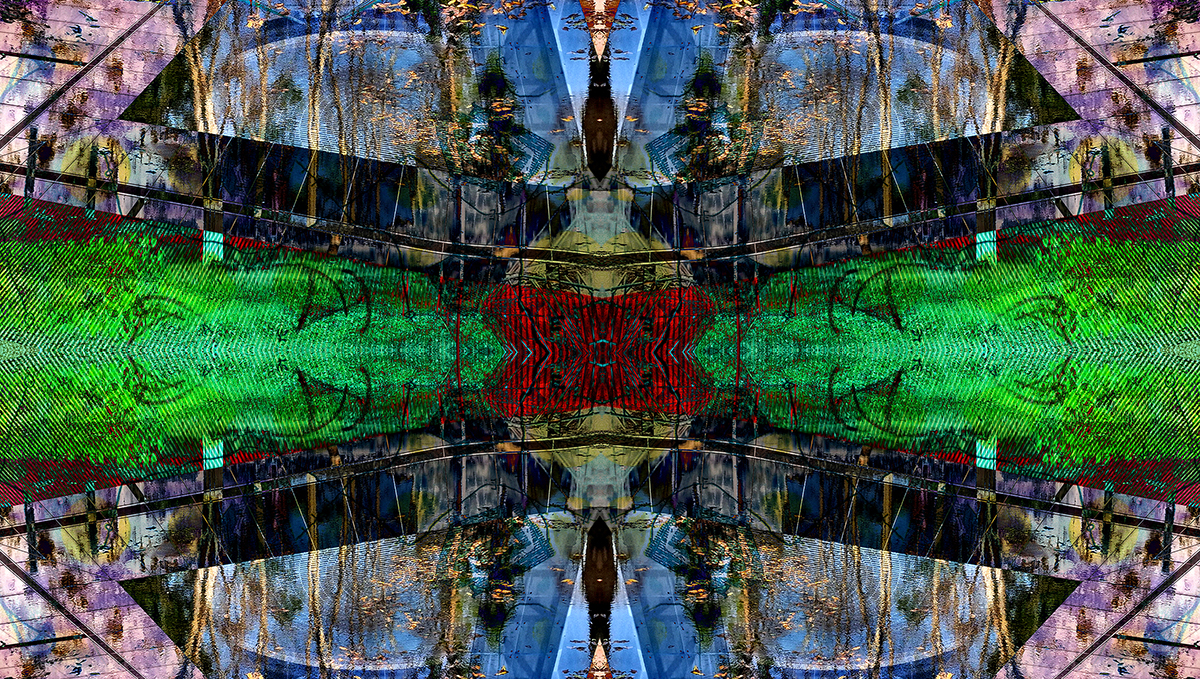
What connects a person’s private life to the larger story of society? For Athens-based artist Vicky Tsalamata, this question opens an investigation into history, identity, and the conditions that shape human relationships. Her work considers how the past remains active in the present, influencing beliefs, reinforcing inequalities, and informing the ways people see themselves. A questioning, sometimes sarcastic sensibility guides her examination of social behavior, particularly when moral ideals collide with the realities of power. Literary references provide another entry into these concerns, linking her observations to longstanding debates about justice and human nature. Through La Comédie Humaine and Bird’s Eye, Tsalamata explores both the pressures imposed on individuals and their search for connection and meaning. Printmaking gives these inquiries a material language, allowing traces, layers, and impressions to suggest the relationship between visible circumstances and the less apparent experiences that influence a life.
La Comédie Humaine
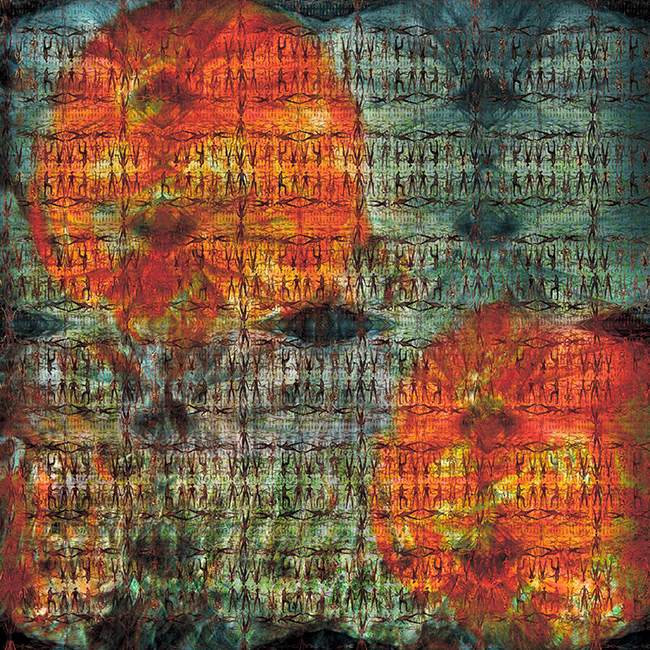
Tsalamata’s La Comédie Humaine begins with an understanding of the human presence as a carrier of history. The face and body bear the effects of circumstances that extend beyond personal biography. Desires, anxieties, social expectations, and unresolved conflicts all contribute to the experience of being human. Seen through this perspective, an individual becomes inseparable from the era and conditions in which that life unfolds.
The title establishes a connection with Honoré de Balzac’s La Comédie Humaine, while the series also draws upon Dante’s Divine Comedy. These literary sources bring social observation and divine justice into the same conversation. Their relevance lies in the questions they raise about behavior, responsibility, and the consequences of human choices. Tsalamata carries these concerns into her assessment of contemporary life, where moral judgment is complicated by systems that protect some people while leaving others exposed.
Sarcasm gives her criticism its edge. She questions a social and political order in which vulnerability attracts further hardship and corruption secures greater influence. Within such conditions, the individual’s sense of worth becomes uncertain. How can people maintain dignity when the structures surrounding them repeatedly diminish their importance? The series considers this imbalance as a human problem with historical continuity, connecting present circumstances to patterns of domination and injustice that persist across generations.
Its concerns also extend to emotional distance. Tsalamata’s account of the series emphasizes loneliness and the urgent need for communication. Friendship and love matter within this context because they offer forms of recognition that impersonal systems cannot provide. These themes take shape through intaglio and mixed media techniques using seventeen iron matrices. The process of working a surface and producing an impression offers a useful parallel to the series’ concerns: encounters and pressures leave traces, becoming part of a larger record of existence.
Bird’s Eye
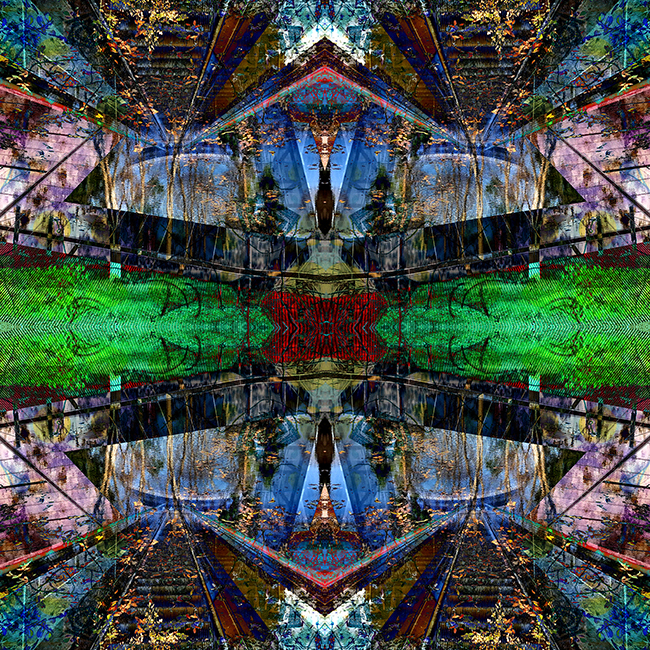
In Bird’s Eye, Tsalamata turns toward the possibility of understanding life through a broader field of vision. Globalization has altered the cultural and social environment in which people establish their identities. Connections multiply, familiar reference points shift, and belonging becomes a question requiring renewed attention. The work emerges from the desire to understand personal existence in relation to cultural heritage and the changing networks of contemporary society.
A bird’s-eye view usually suggests physical distance, yet here it also describes an act of reflection. Stepping back can make relationships visible that remain difficult to perceive at close range. Tsalamata uses this idea to explore the hidden routes through which memory, experience, and inherited structures influence awareness. Her proposed mapping reaches into both individual and collective unconscious life, considering the connections that operate beneath the surface of everyday understanding.
The possibilities of contemporary printmaking support this inquiry through layering and the interaction of matter and light. Traces and imprints become part of a language concerned with what remains, what emerges, and what may be only partially perceived. The artist’s comparison with a map suggests a way of reading beyond outward appearances. A landscape contains relationships that its immediate surface cannot fully explain; likewise, human experience carries memories and associations that require closer attention to become recognizable.
Together, these series place social criticism beside the search for inner orientation. La Comédie Humaine examines the inequalities and emotional separations that trouble human relationships, while Bird’s Eye considers how perspective might help people locate themselves within changing circumstances.
