

Andréa Lobel’s work begins long before the shutter clicks. For her, photography is not just the act of framing a moment but a way of studying how people exist in the world and how they reveal themselves when being seen. Born in The Hague, a city known for its calm beauty and understated elegance, she grew up surrounded by light, open skies, and the quiet rhythm of the Dutch coast. That environment shaped her eye early on. Later, her studies at the Academy for Photography and the School of Arts and Design deepened her understanding of how images communicate, how a single gesture or tilt of the head can carry its own story.
Lobel’s practice sits at the intersection of observation and intention. She does not chase spontaneous snapshots; she builds spaces where something real can surface. Her approach is thoughtful, steady, and quietly emotional. At the core of her work is a desire to understand what draws us toward one another, what we look for in a face, and why certain expressions linger long after we’ve seen them. She talks often about a “connection”—not a dramatic or forced one, but the subtle line that forms when a person allows themselves to be recognized. This pursuit has guided her through both her technical training and her ongoing artistic progress.
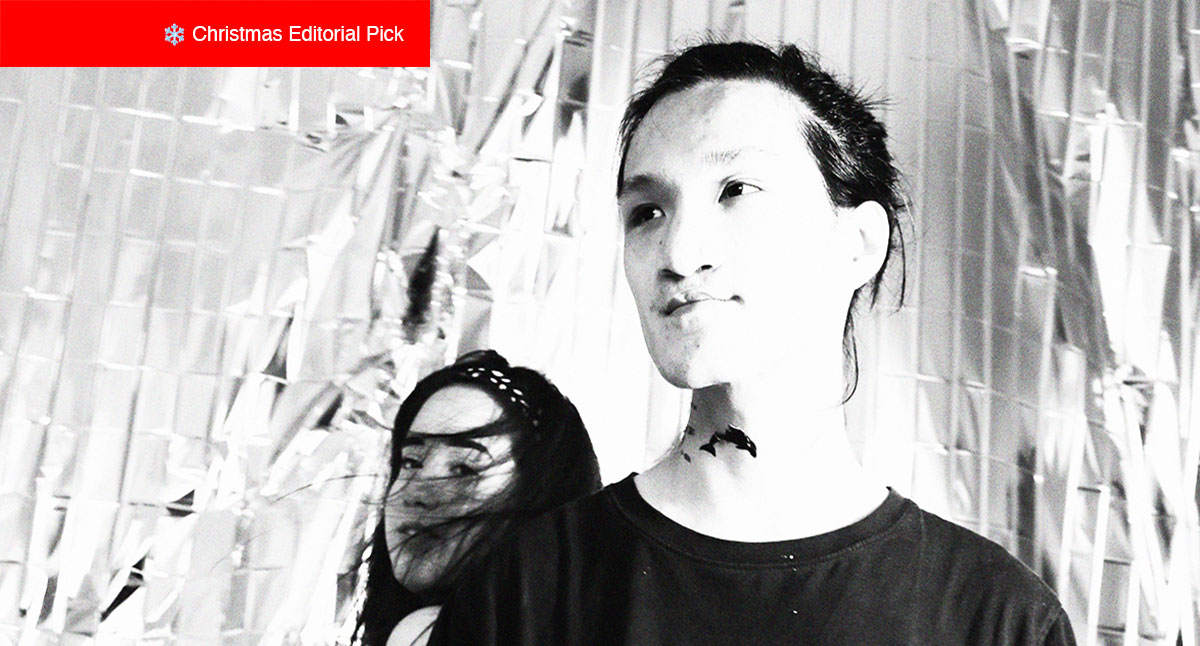
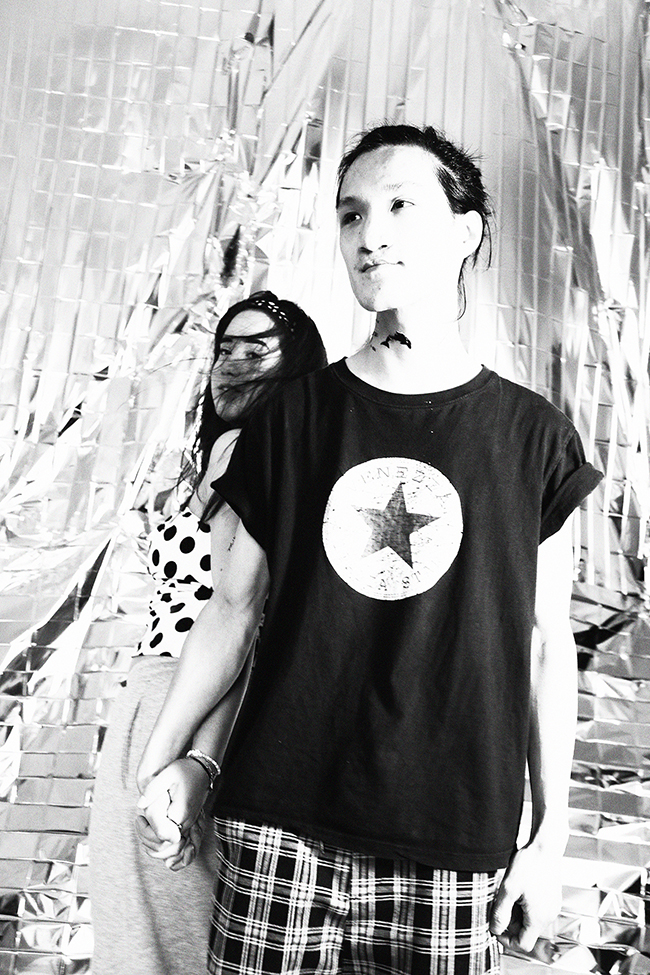
One of her current series, Helio (Los Angeles), makes this inquiry even more pointed. The project asks a deceptively simple question: What makes young people seem sunny and free of worries? The images, staged but emotionally open, look for the place where innocence and self-awareness meet. Lobel approaches this not with nostalgia or judgment but with curiosity. She treats youth not as a cliché but as a living condition—a fleeting state that the world likes to romanticize but rarely understands.
In Helio, the softness of light becomes its own character. Los Angeles is an ideal backdrop for that kind of exploration, a city where brightness is constant but never neutral. The photographs sit in that tension. Her young subjects appear relaxed, almost glowing, but the glow raises its own questions: Is their warmth real, or is it a surface the world has projected onto them? Are they carefree, or simply performing an idea of freedom that adults insist they must embody? Lobel doesn’t answer these questions. Instead, she holds them open, letting viewers decide where that glow comes from.
The series expands beyond Los Angeles into Valencia and, eventually, Paris—the next chapter planned for 2026. Each location adds its own shade to the question. Valencia brings Mediterranean light, a warm and enveloping brightness that changes how the portraits feel. Los Angeles offers a kind of dreamlike haze. Paris, with its history and cool urban rhythm, will bring another tone entirely. Together, these cities create a quiet study of youth as a global idea rather than a local one. The feeling she is chasing—this brightness of being young—may look different from place to place, yet it carries enough similarity to feel universal.
Lobel’s interest is not simply aesthetic. She is trying to understand innocence as both a truth and a myth. The idea of carefree youth is one the world clings to, even when it does not match reality. Young people today carry anxiety, ambition, doubt, and hope in equal measure. They exist in a world that asks them to be optimistic while confronting pressures generations before them never knew. Lobel’s photographs recognize this contradiction. Her compositions are controlled, but the emotions inside them are not. In each frame, you sense the negotiation between who someone is and who they believe they are allowed to be.
Her process reflects this same balance. Lobel constructs her scenes with intention—selecting locations, guiding posture, shaping the atmosphere—but she leaves room for something unplanned. She works slowly, giving her subjects time to settle into the moment. The final photographs feel calm, but that calm is earned. It comes from trust, not direction. Her subjects do not look like they are posing; they look like they have been given space to breathe.
Throughout her career, Lobel has stayed committed to refining this kind of quiet intimacy. She is not interested in spectacle or dramatic narratives. She cares about presence. She pays attention to what a person reveals when the noise around them is stripped away. Her images feel gentle, but they carry a steady undercurrent of inquiry. They ask us to look again, to notice what we might have overlooked.
As Helio continues to expand, it marks a clear path for where her work is heading. It is a study of youth, yes, but also a study of perception—how we define freedom, how we imagine innocence, and how time reshapes our understanding of both. Andréa Lobel moves through these questions with a patient hand and a clear eye. She builds images that feel simple on the surface but open up the longer you stay with them.
In a world overloaded with quick visuals, her calm, observant approach feels like an invitation to slow down. She photographs not just what youth looks like, but what it feels like—a bright moment held long enough for us to finally see it.
